
The best time to visit Las Vegas depends on what you want from your trip. Pool days and late nights? Comfortable walks and desert hikes? The lowest possible hotel rate? Vegas works all year, but the weather swings from chilly winter evenings to summer afternoons that feel like standing in front of a hair dryer.
This month-by-month guide covers Las Vegas weather, crowds, and value so you can pick dates that fit your style. The weather numbers below are long-term averages (NOAA 1991 to 2020 normals, rounded), so any given week can run hotter or cooler. Once you've chosen your dates, our Las Vegas Strip map with every hotel in order helps you pick a base that keeps walks short.
Events, prices, and hours change constantly here, so check current info before you book.
The Short Answer: Spring and Fall Win
If you want the most comfortable trip, aim for March through May or late September through November. Monthly normal highs range from 71°F to 89°F in March through May and from 67°F to 81°F in October and November. September still averages 95°F, so plan outdoor time around the actual forecast. Cooler spring and fall days are also good windows for trips to Red Rock Canyon, Valley of Fire, and Hoover Dam.
The tradeoff is that these months are popular, and weekends fill up fast. If you can travel midweek, you get the good weather with less competition for rooms and restaurant tables.
Las Vegas Weather by Month
The chart below shows the average high and low temperature for every month, with the best months highlighted. Notice how steeply things climb from April to July, and how fast they cool after September.
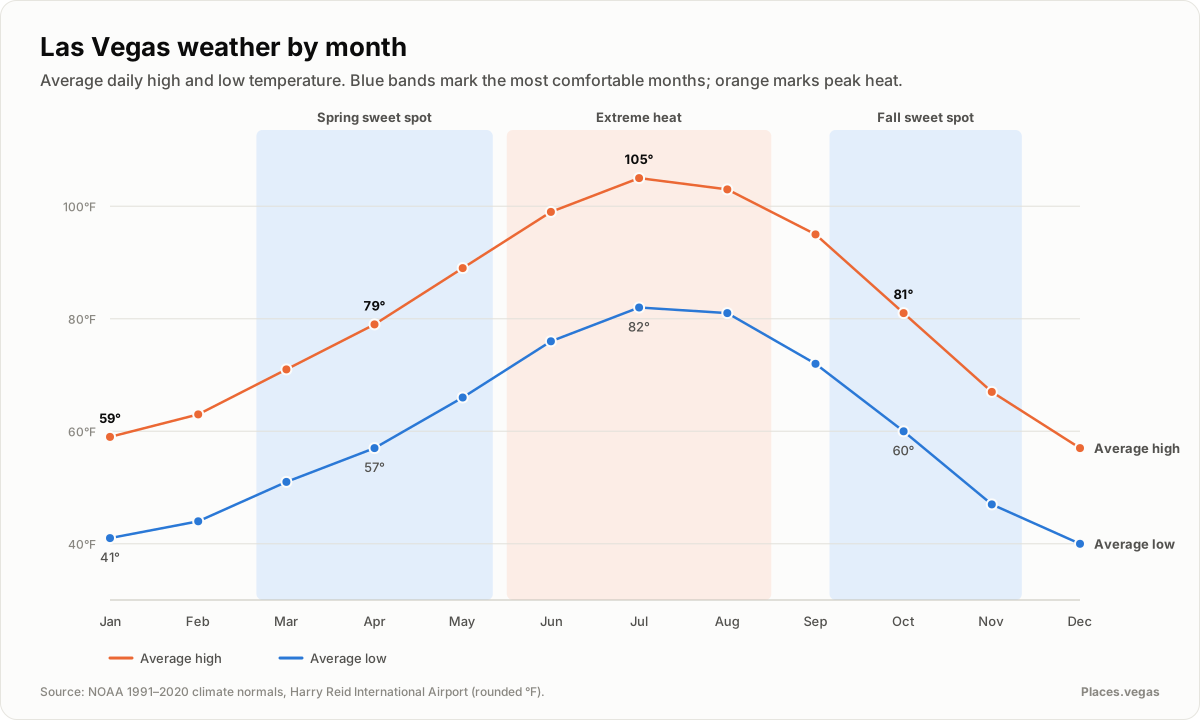
Here is the same information with a quick read on what each stretch feels like:
| Months | Avg high / low (°F) | What it's like |
|---|---|---|
| Dec to Feb | 57 to 63 / 40 to 44 | Cool days, cold nights, quieter outside holidays and big events |
| Mar to May | 71 to 89 / 51 to 66 | Warm and sunny, ideal for walking and hiking, busy weekends |
| Jun to Aug | 99 to 105 / 76 to 82 | Extreme heat, prime pool season, plan around midday |
| Sep | 95 / 72 | Still hot early, easing late in the month |
| Oct to Nov | 67 to 81 / 47 to 60 | Warm days, crisp nights, many locals' favorite time |
Month-by-Month Breakdown
January and February
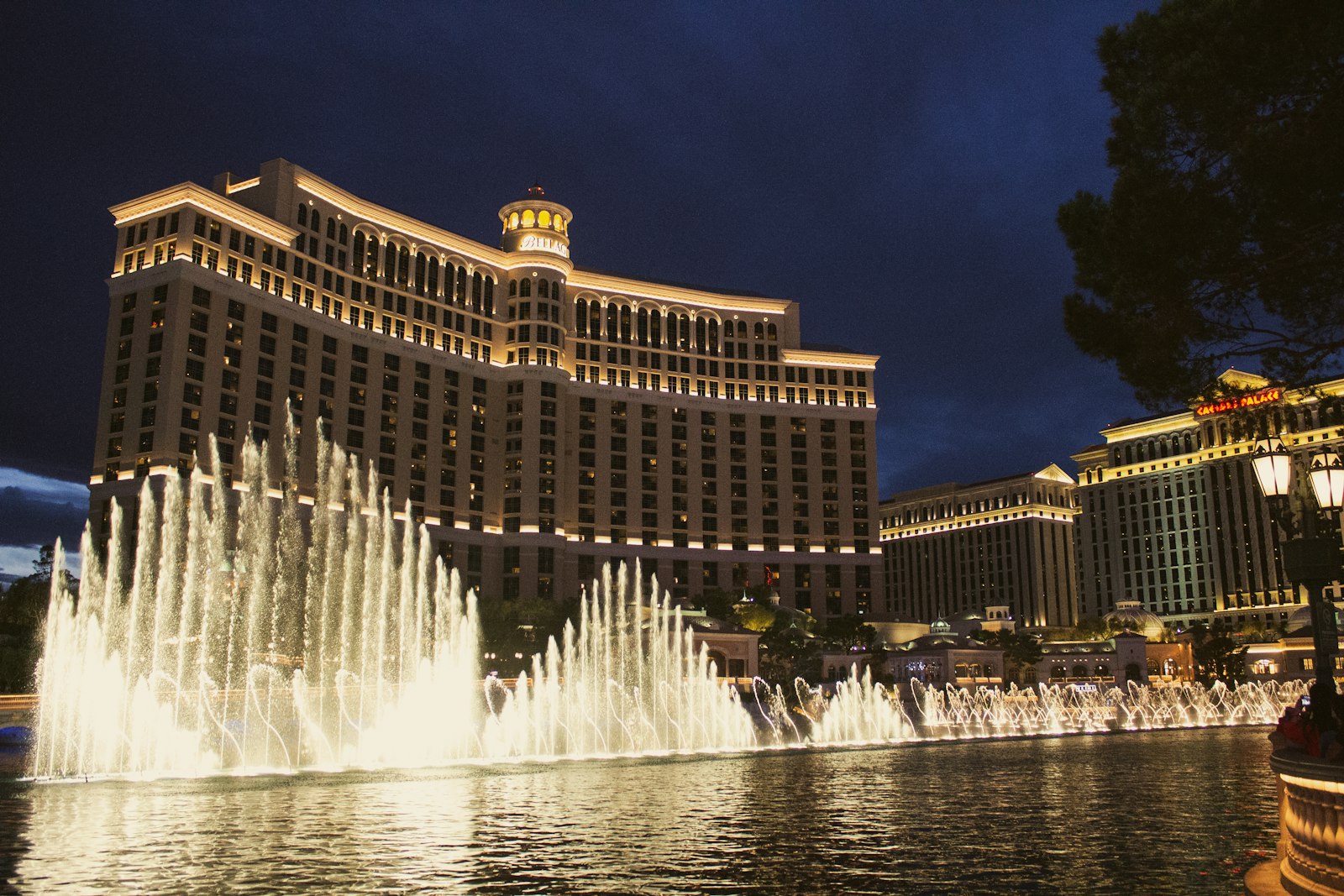
Winter in Vegas is mild by most standards, with highs in the upper 50s and low 60s, but desert nights get cold. Pools at most resorts are closed or limited (check current info). This is a great time for indoor fun: shows, restaurants, museums, and the Bellagio Conservatory's seasonal displays. Large conventions can spike hotel rates on certain weeks, so compare dates.
March, April and May
This is peak comfortable season. March and April are perfect for hiking at Red Rock Canyon (timed entry reservations apply seasonally, check current rules). By May, highs approach 90°F and pool season opens in earnest. Spring break and big events can make weekends busy, so book early.

June, July and August
Summer is Vegas in its most extreme form. Highs average around 99°F in June and top 100°F in July and August, and the nights barely cool off. Pools and dayclubs are in full swing, and it's a great time for shows, spas, and indoor attractions. Outdoor sightseeing is best at sunrise or after dark.
September
Early September still feels like summer. By the last week or two, the heat finally starts to break, and the city slides into its second sweet spot.
October and November
October is close to perfect, with highs in the low 80s and comfortable nights. November cools into the upper 60s, which is ideal for walking the Strip and exploring Downtown. Keep an eye on major events, since some can affect traffic and hotel rates on the Strip (check current event dates).
December
Highs drop into the upper 50s, and resorts go all-in on holiday decor. The first half of the month can be quieter, while New Year's Eve is one of the busiest and most expensive nights of the year.
Vegas in Summer: How to Beat the Heat
Summer can be a fantastic trip if you plan for it. The key is treating midday sun with respect.
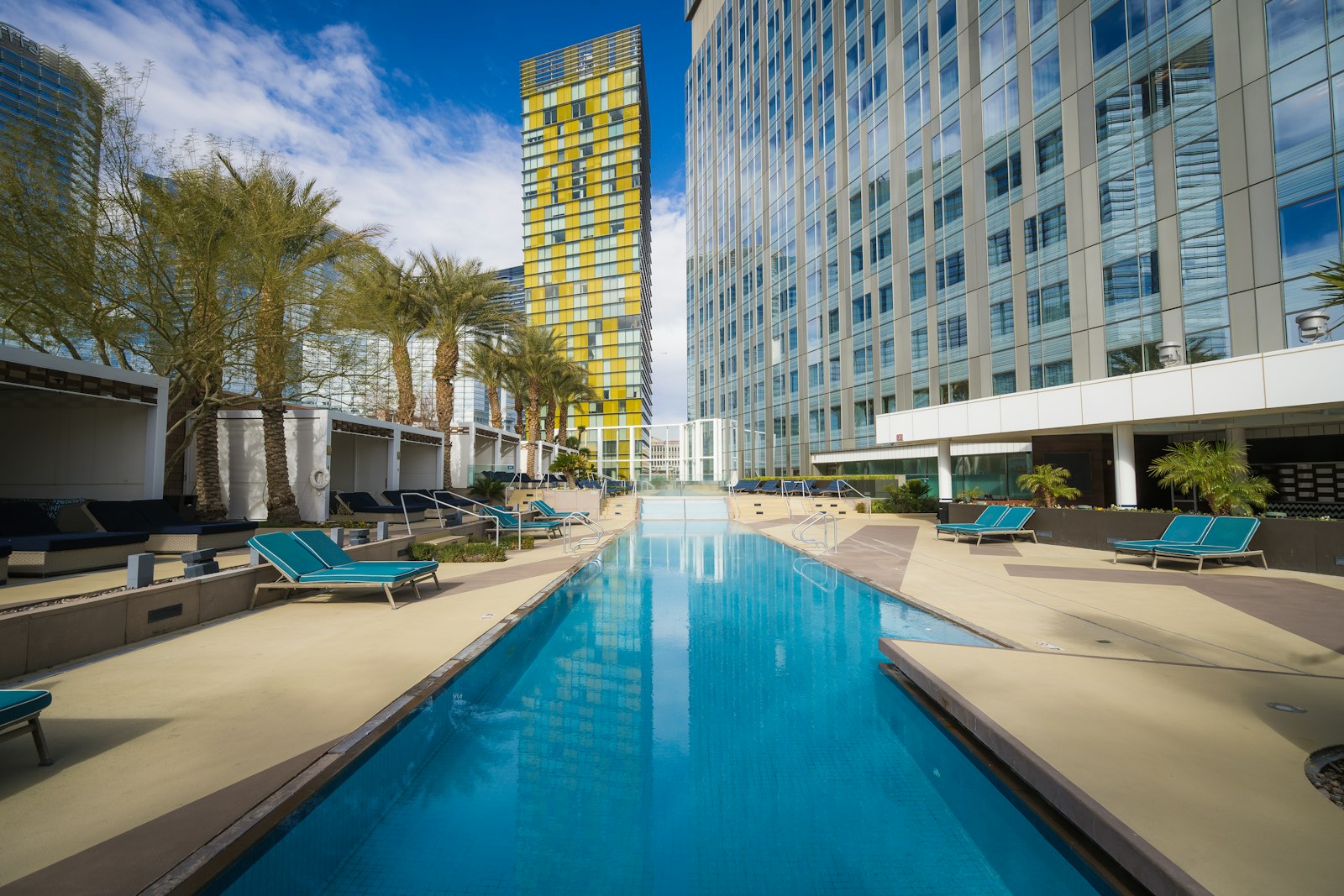
Go outside early or late. Sightsee in the morning, retreat to the pool or indoors by midday, and head back out after sunset.
Hydrate constantly. Carry water everywhere, even for short walks between resorts.
Walk smart. Strip distances are longer than they look. Check our guide to Las Vegas Strip walking distances and times and use indoor connections, trams, or rideshare for longer hops.
Protect yourself. Sunscreen, a hat, and sunglasses aren't optional, and pavement can get hot enough to burn.
Skip midday hikes. Desert trails at Red Rock and Valley of Fire are best saved for cooler months or very early starts. Some trails may have seasonal heat restrictions, so check current info.
The Cheapest Time to Go to Vegas
There's no single cheapest month, because hotel rates follow demand. Conventions, holidays, sports events, and concerts can push the price of an ordinary weekend sharply higher. That said, a few patterns hold up:
Midweek is cheaper than weekends. Sunday through Thursday nights usually cost less.
Hot summer weeks can bring deals. Less outdoor appeal can mean better rates on rooms.
Some winter weeks are quiet. Outside the holidays and big conventions, early winter can offer good value.
Check for resort fees. Most Strip hotels add a daily resort fee, so compare the full price.
To stretch your budget once you're there, see our roundup of the best free things to do in Vegas.
What to Pack for Each Season
Desert weather catches visitors off guard, mostly because of the big gap between day and night. A few packing basics help in any month:
Winter (Dec to Feb): A real jacket for evenings, layers for daytime, and closed-toe shoes. Nights near 40°F feel colder in the dry wind.
Spring (Mar to May): Light layers, sunglasses, and a hoodie for breezy evenings. Pack a swimsuit from late April onward.
Summer (Jun to Aug): Breathable clothes, a hat, high-SPF sunscreen, and a refillable water bottle. Bring a light layer anyway, since casinos and theaters keep the air conditioning cranked.
Fall (Sep to Nov): Summer clothes early in the season, then layers and a light jacket by November.
Year-round, bring comfortable walking shoes. Even a "short" stroll between neighboring resorts can add up to several miles a day, and dress shoes are best saved for dinner or the club.
Matching the Season to Your Trip Style
First-timers: Spring or fall, so you can walk the Strip and see the sights comfortably.
Pool lovers: Late May through early September.
Hikers and road-trippers: March, April, October, and November.
Budget travelers: Midweek in summer or early winter.
Holiday fans: December, for decor and festive displays.
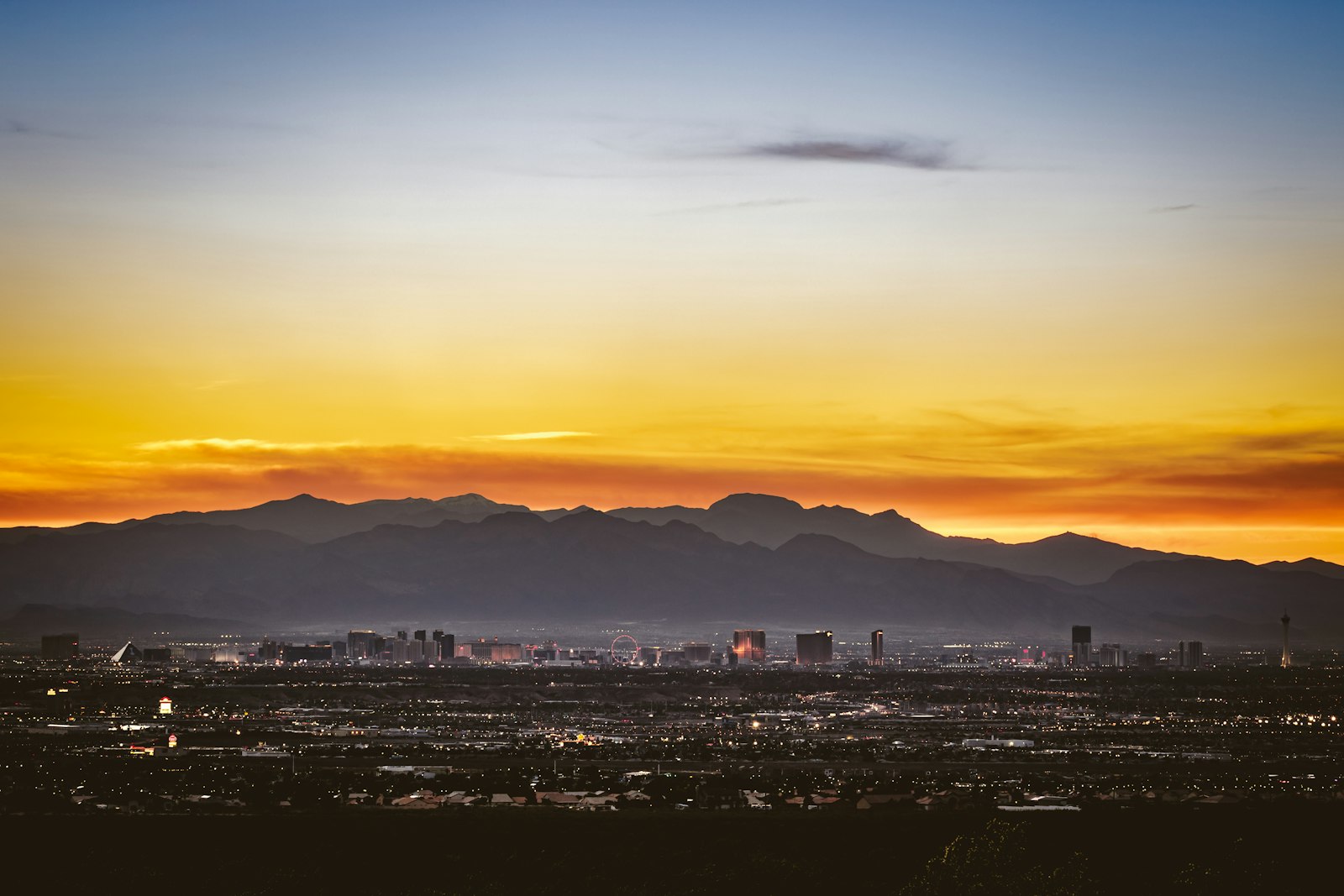
Plan Your Trip on the Map
Once you've chosen your month, map out your days. In hot weather, group stops that sit close together. In cool months, you can stretch further, adding Downtown or a day trip. Our 3-day Las Vegas itinerary gives you a ready-made plan to adapt to the season.
Then spin the 3D map to see which resorts connect, where the pedestrian bridges are, and how far your hotel sits from everything you want to do. A little planning goes a long way, whatever the thermometer says.
What is the best month to visit Las Vegas?
For most people, the best time to visit Las Vegas is spring (March to May) or fall (late September through November). Monthly normal highs range from 71°F to 89°F in March–May and 67°F to 81°F in October–November. September still averages 95°F; use the actual forecast when planning walks or hikes. October is a favorite for its warm days and cooler nights.
What is the cheapest time to go to Vegas?
Hotel rates in Vegas move with demand rather than season alone. Midweek stays are usually cheaper than weekends, and the hottest summer weeks and some winter stretches can bring better deals. Big conventions and major events push prices up, so compare a few date ranges and check current rates.
How hot is Vegas in summer?
Very hot. Average highs are around 99°F in June, 105°F in July, and 103°F in August, and nights often stay in the upper 70s or low 80s. Midday heat can be dangerous, so plan outdoor time for early morning or after dark and drink water constantly.
Is December a good time to visit Las Vegas?
December can be great if you like cooler weather and holiday decor. Average highs are in the upper 50s with lows near 40°F, so pack layers. The weeks before the holidays can be quieter, while New Year's Eve is one of the busiest, priciest nights of the year.
Sources & checks
- Number of Days With A Specific Temperature
Las Vegas averages 78.2 days a year at 100°F or hotter, and 9.4 days at 110°F or hotter.
Checked: 2026-10-06 - LVCVA research FAQs: 2025 statistics
Las Vegas averages 320 days of sunshine a year.
Checked: 2026-10-06 - LVCVA Summary of Monthly Tourism Indicators for Las Vegas, NV (calendar year 2025, as of Jan 29, 2026)
May was Las Vegas's busiest month of 2025 with 3,418,700 visitors; February was the slowest with 2,973,300.
Checked: 2026-10-06 - LVCVA Summary of Monthly Tourism Indicators for Las Vegas, NV (calendar year 2025, as of Jan 29, 2026)
April had the highest Las Vegas hotel occupancy in 2025, at 84.5%.
Checked: 2026-10-06 - Las Vegas temperature overview
1991–2020 monthly normal high/low temperatures, rounded to whole Fahrenheit degrees with halves rounded up.
Checked: 2026-10-06